Folio: Peter Campbell
My Nepal Connection
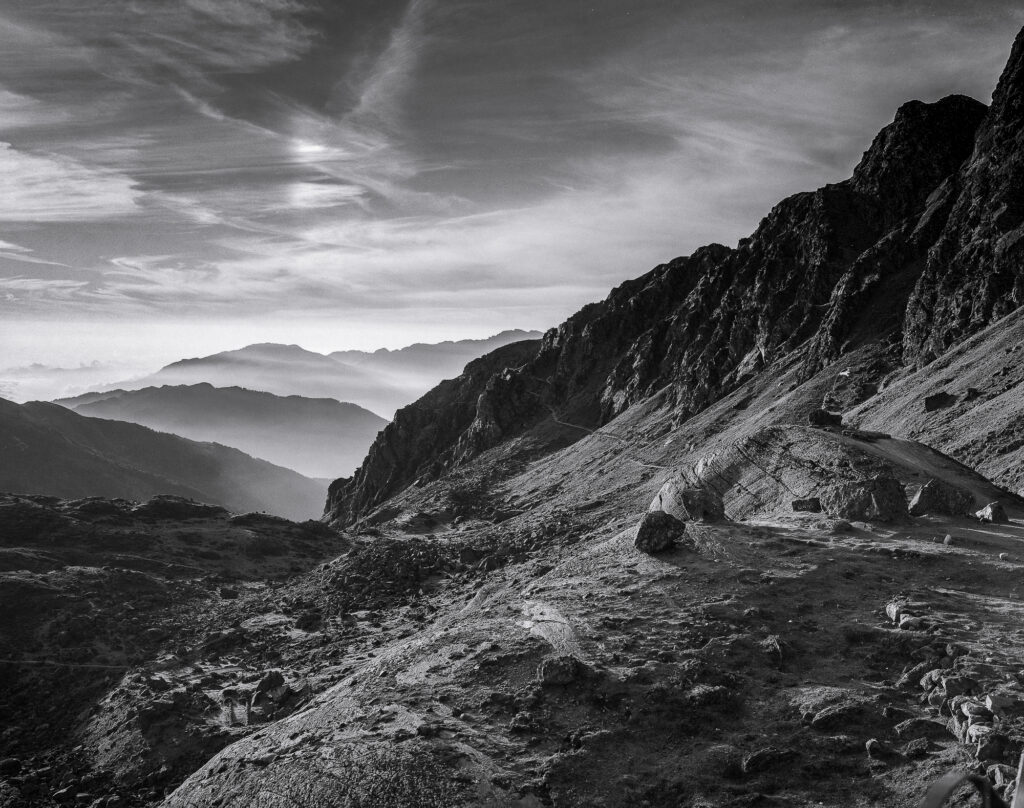
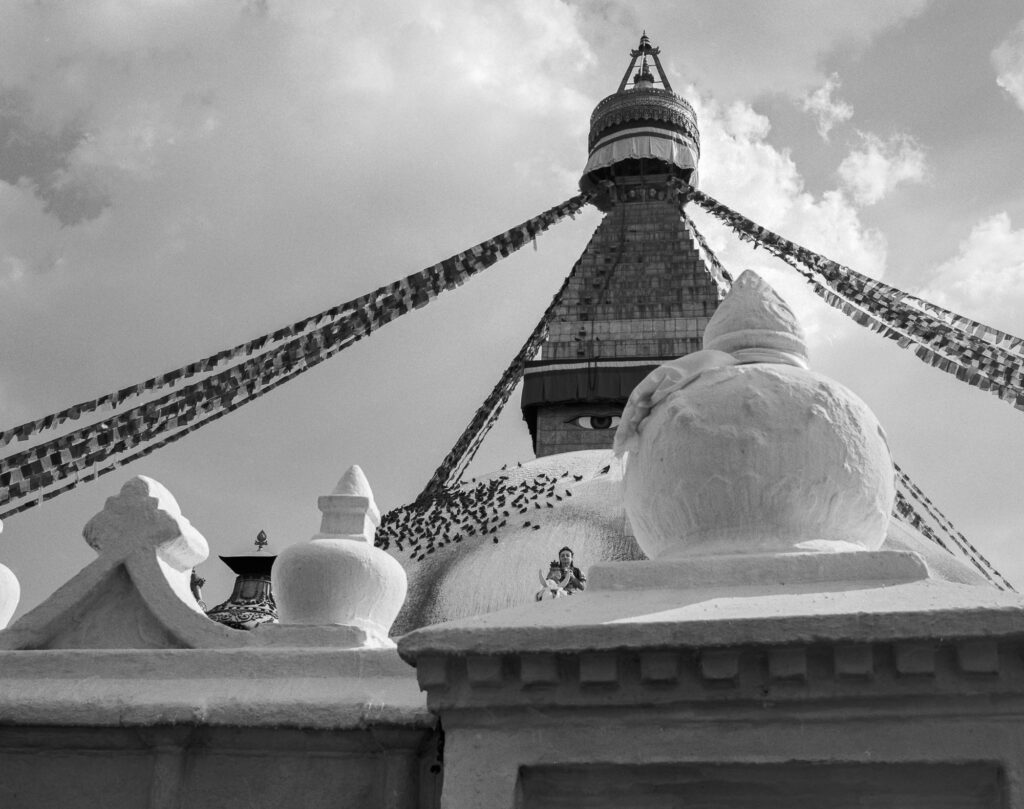
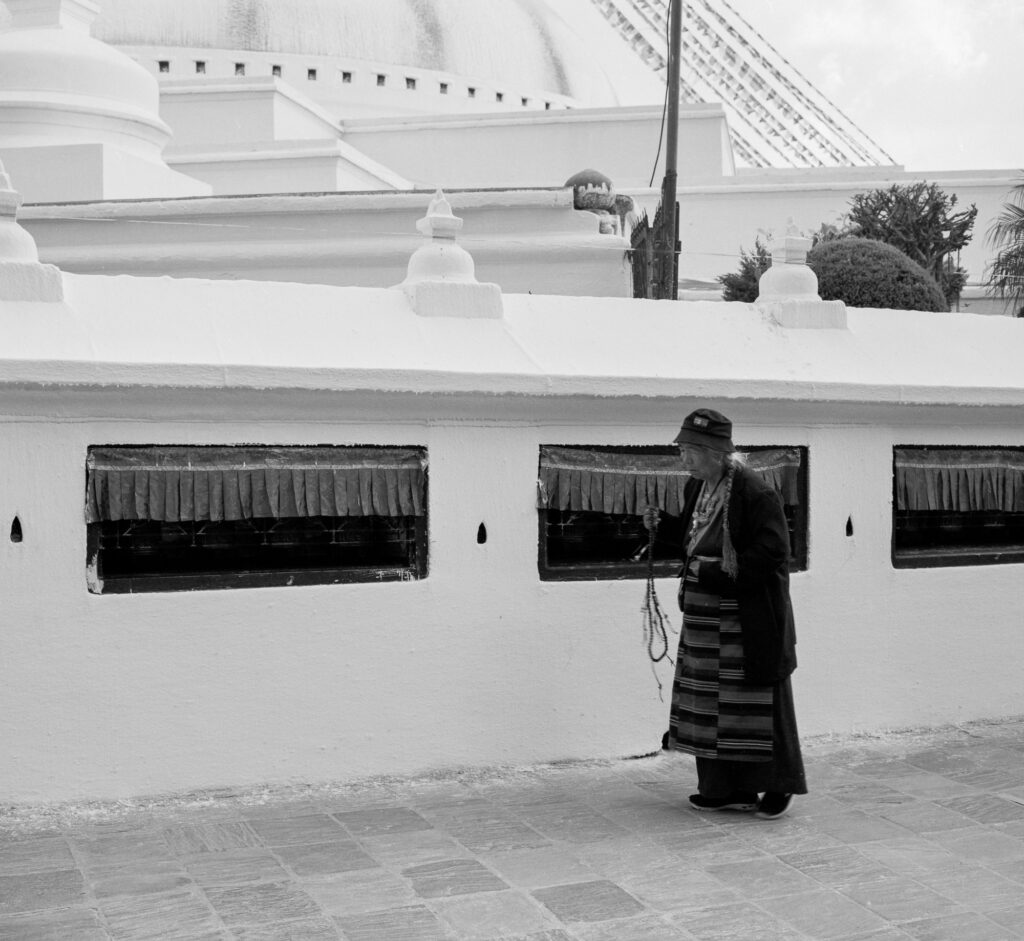
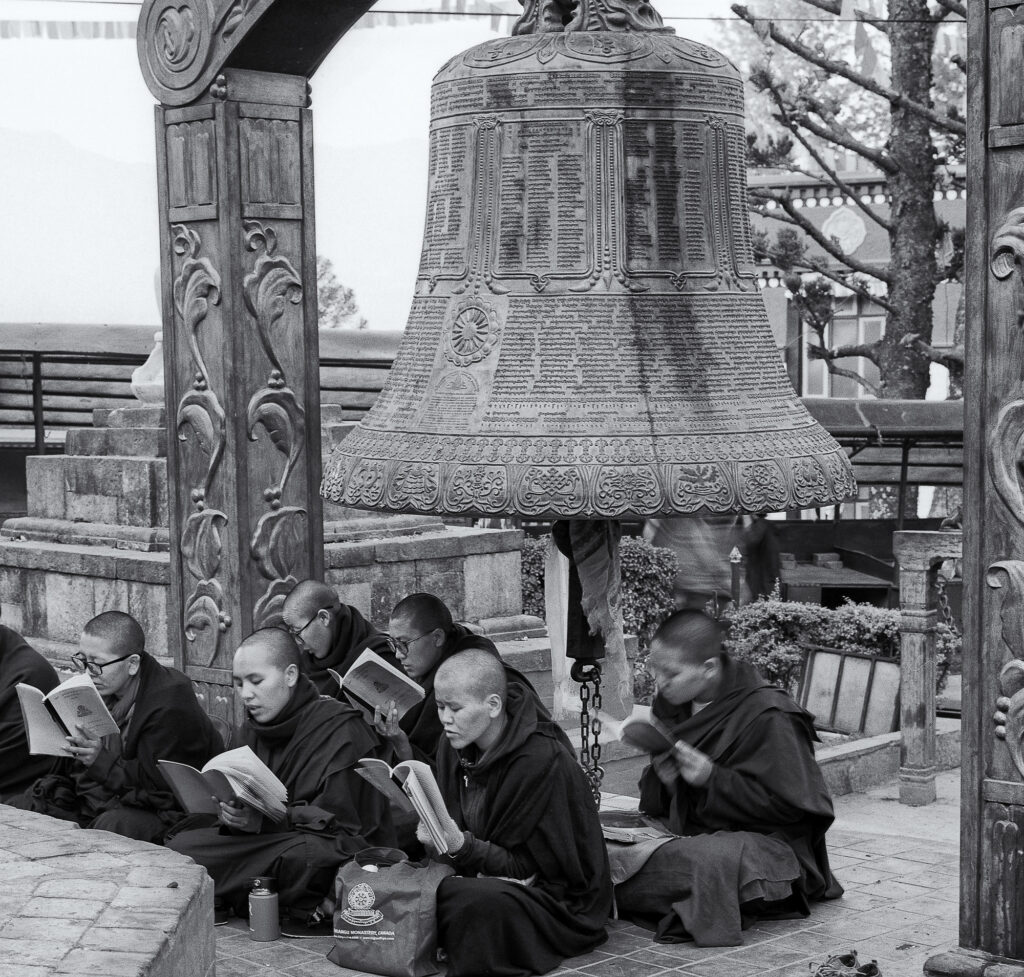
My first trip to Nepal was in 2011, with the Annapurna Circuit high on my list of places to explore. Coming from the flattest continent on Earth, I have always been fascinated by mountains and there are plenty in Nepal. I loved the Annapurna experience, and it whet my appetite for more. Since 2011, I’ve been back nine times and the images here are a selection from those years. Very difficult to pick 12 shots from those nine trips to Nepal. Black and white is my favourite medium, and I process all film myself after I arrive home. Incidentally I try to get hand checks of my film when passing through airports. I can usually achieve this in Australian airports, but not always so in Asian airports, especially in Kathmandu! So, my film has had several passes through X ray scanners at the Tribhuvan International Airport in Kathmandu. Thankfully I haven’t experienced any fogging of film from those scanners. Perhaps they are not as sensitive as some of the newer types of scanning equipment now being used. I believe that most U.S. airports now have very sensitive CT scanners that would not be good for film and Australian airports may have them as well. I have often asked the security people what type of scanners they have and their answer usually is “I don’t know”
Over those years, I’ve trekked all the major routes, along with some lesser-known trails:
- Annapurna Circuit, Everest Base Camp, Manaslu and Langtang
- Tsum Valley, Nar Phu and Khopra Danda and some I’ve done twice!
Photography along the way
I always carried a camera in my backpack, usually my Mamiya 7 with a single lens—either a 65mm or an 80mm. The photographs in this folio are scans of my 6×7 negatives. My photography experience goes back a long way, being a keen bush walker I always carried a camera with me. Mostly it was with a 35mm camera, before graduating to medium format with my Mamiya 7 and now 4×5 large format
The American documentary photographer, Arthur Fellig (Weegee) used to say “f8 and be there” in relation to his method for getting a good photo. I think that applies to my landscape photography as well. Trekking for days or weeks gave me the chance to “be there” and capture whatever nature offers, good or bad.
So, being at the right place at the right time is a good start. When the light is right and the landscape stunning, I hope to come away with a photograph that does the moment justice. I think B&W adds to the drama of these photos. That is what I try to achieve.
My background is in Medical Science (Microbiology) but I’ve always been an enthusiastic photographer. Now retired I have more time for my photography. I predominantly shoot B&W but recently have started to shoot more colour as well. More of my work can be seen on my webpage.
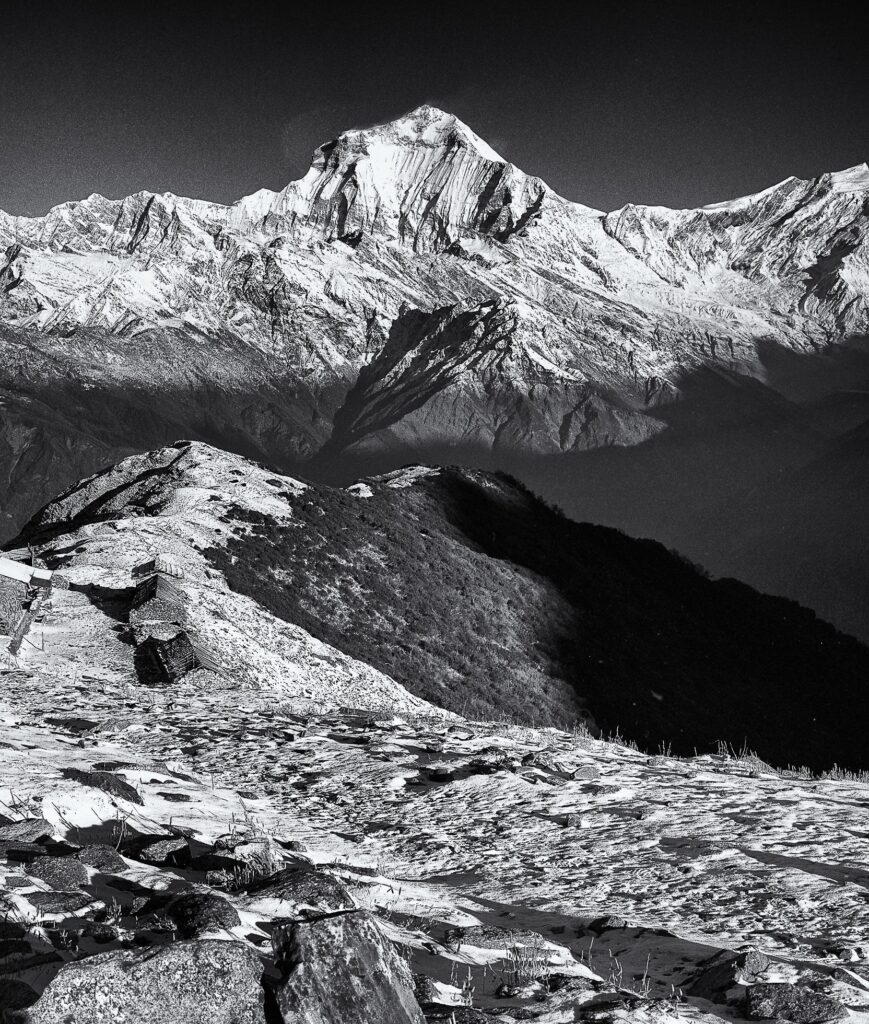
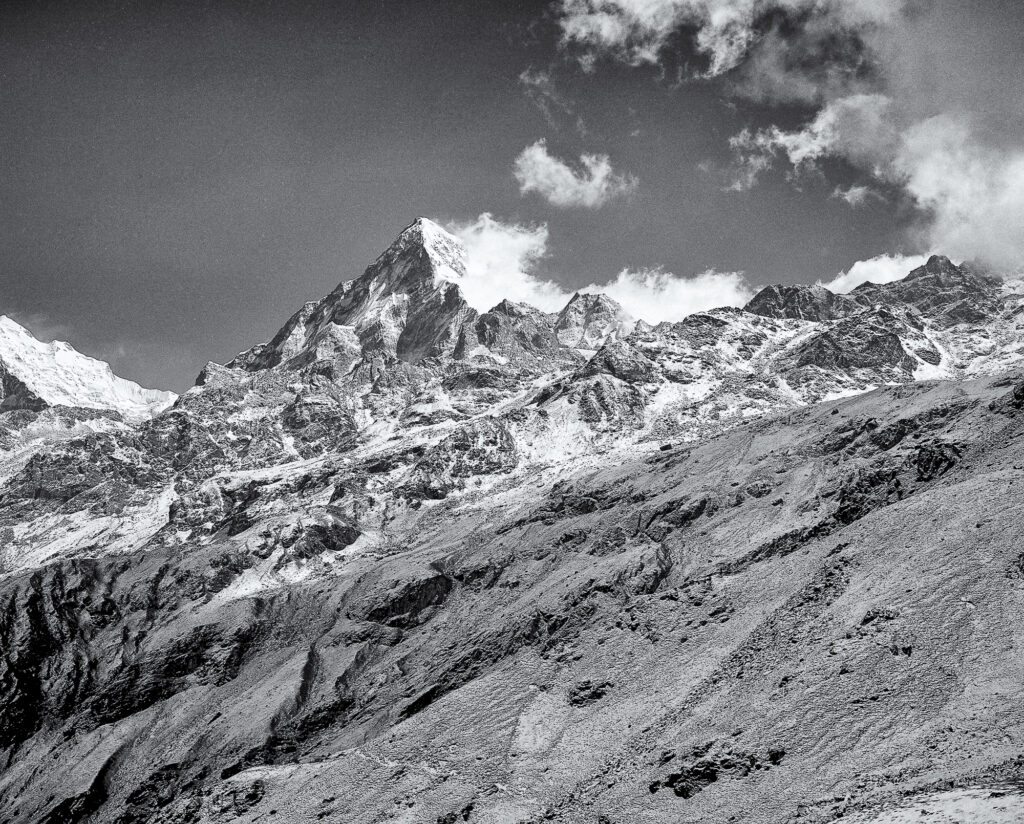
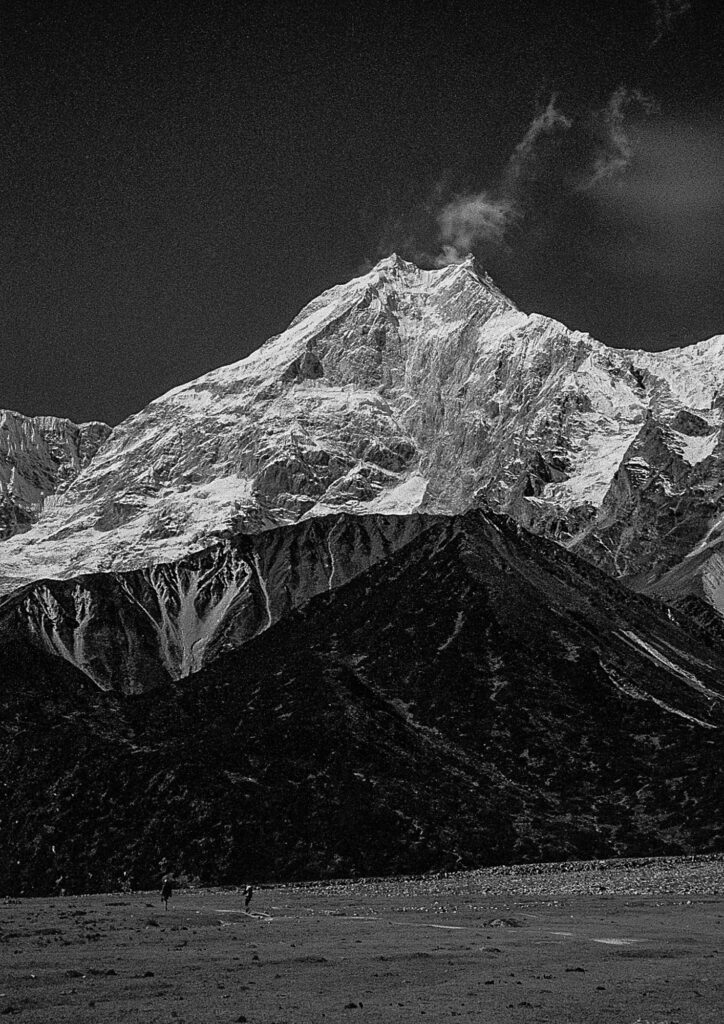
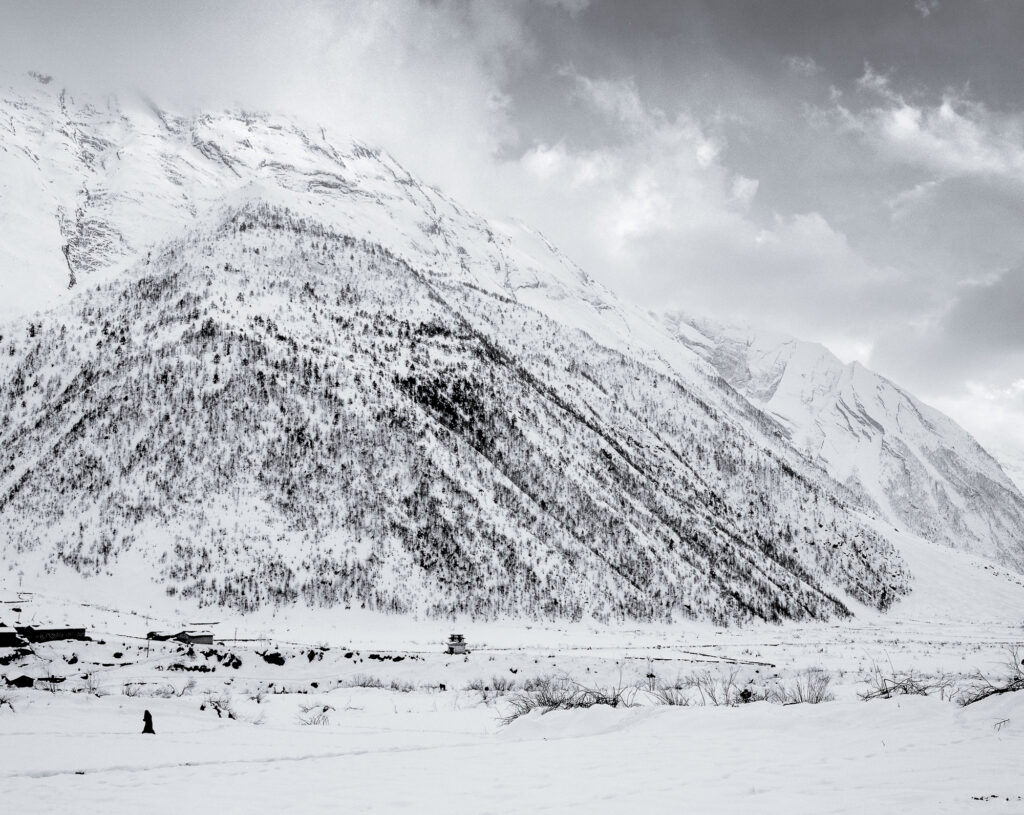
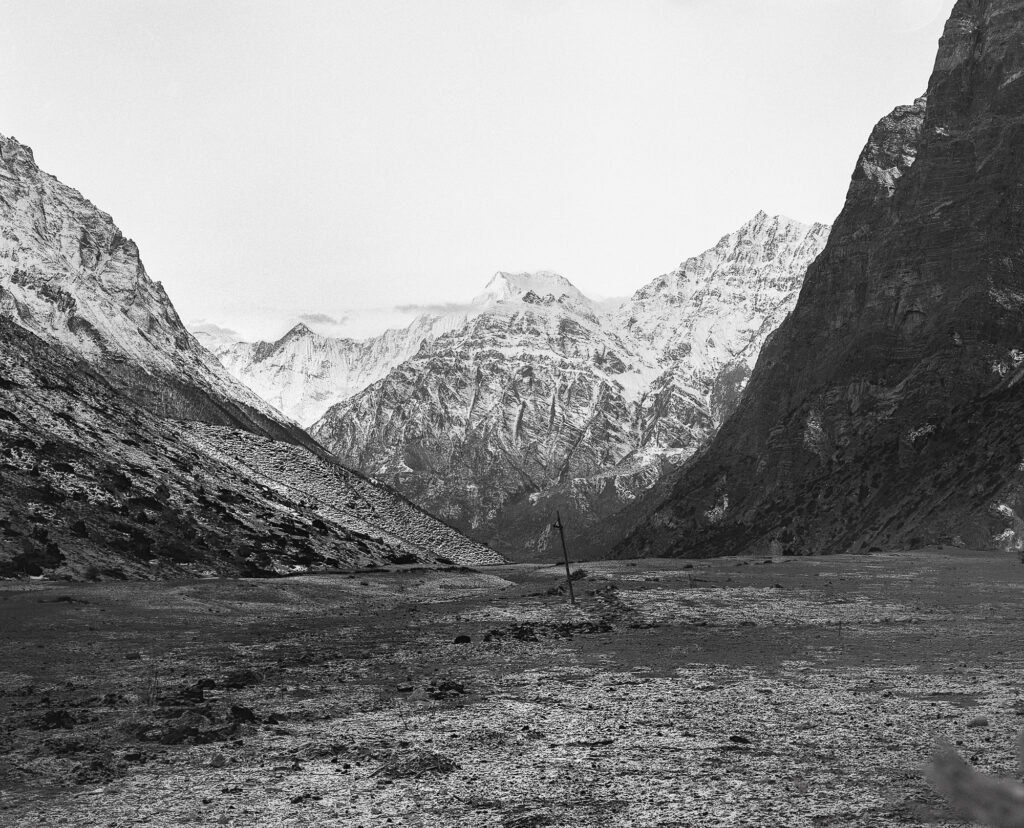
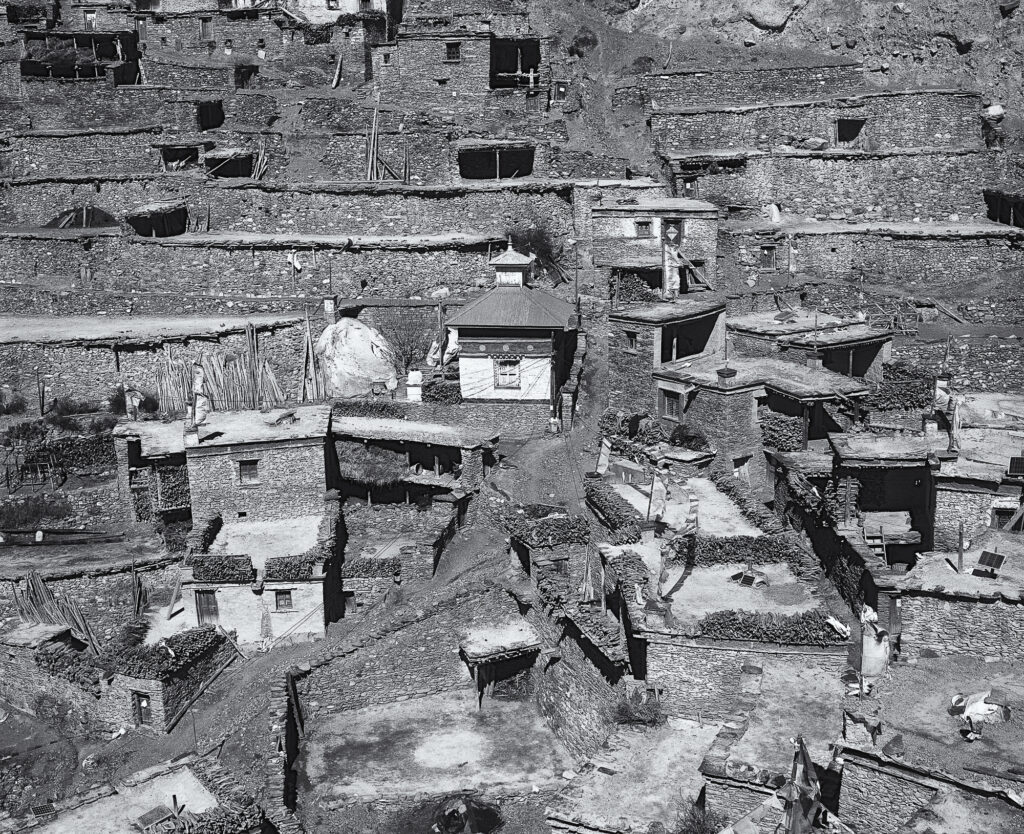
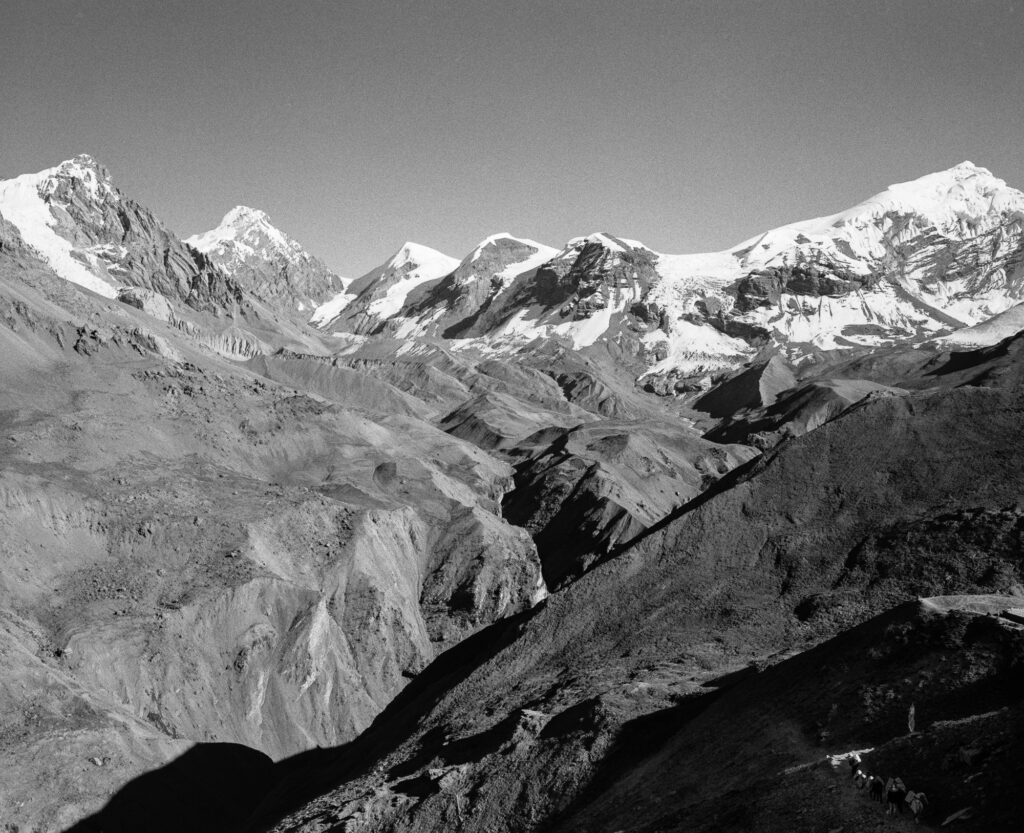
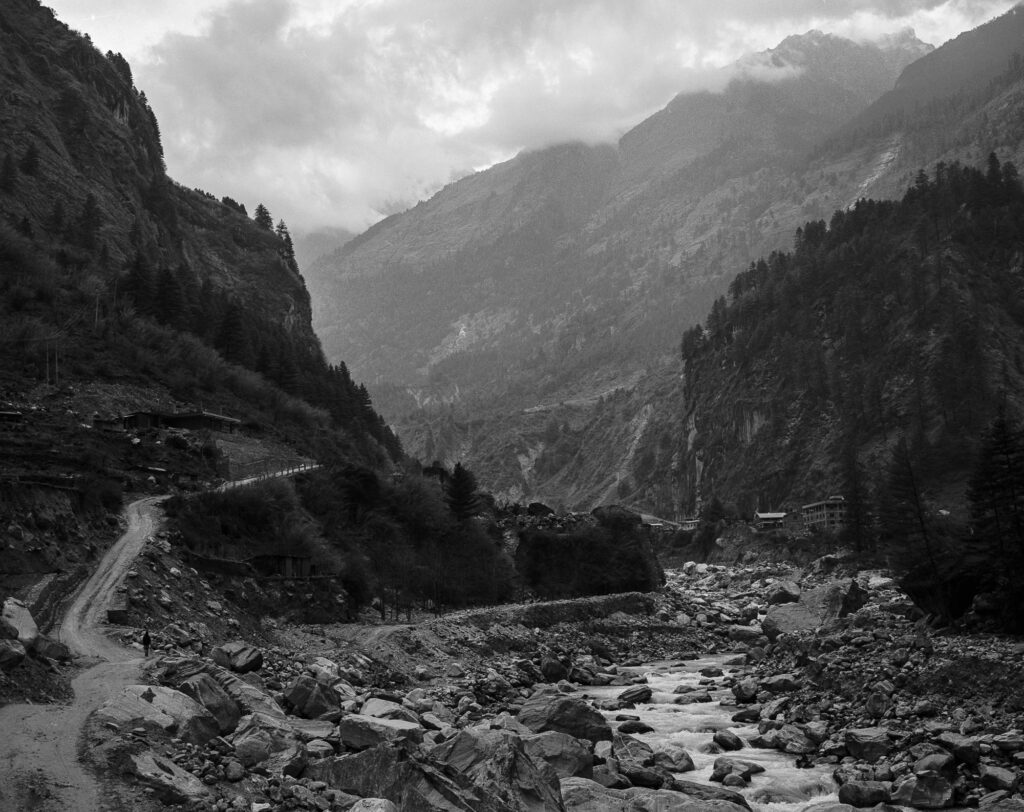
Only a month or so ago, devastating floods hit this same area. An avalanche further upstream dammed the river and when it broke, floods washed away everything in its path. This was the second devastating flood to hit Nepal in a matter of months. Disasters are nothing new in Nepal. I was in Nepal in 2015, a month before the terrible earthquake walking in the Tsum Valley. The previous year I had been in the Langtang Valley and enjoyed an overnight stay in the village of Langtang. I stayed with a lovely Nepalese lady, her daughter and grandmother. I found out later they were killed in the earthquake. That part of Langtang was wiped out. Scan 6×7 negative.