

Max Dupain and Ansel Adams: In search of perfection brings Dupain’s…
Ian Lobb’s photographs acquired by MAPh
‘The Museum of Australian Photography (MAPh) is delighted to have recently acquired 44 photographic prints from the Estate of Ian Lobb. Lobb was a pivotal figure in Australia’s photographic history, and highly regarded within the photographic community: not only for his commitment to traditional techniques and his mastery of printing, but also for his years spent educating.
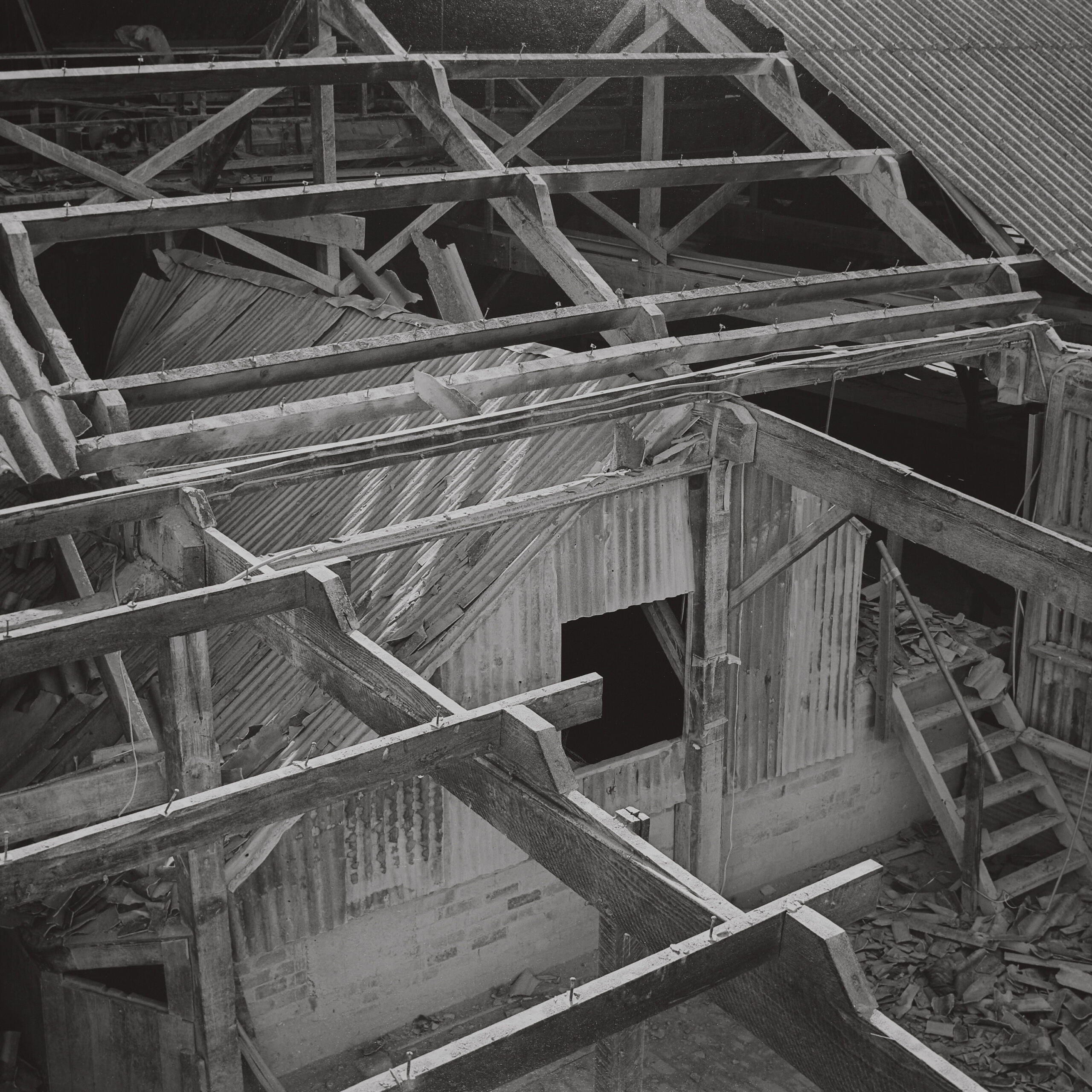
Included in this acquisition are works from Lobb’s well-known Black Range series (1986–1989), also collected by the National Gallery of Victoria. This series showcases his ability to capture the splendour and severity of the Australian bush. Beyond Black Range, the works recently acquired by the museum also depict Khancoban, Jindabyne, Northcote Brickworks, South Melbourne, Parachilna Gorge and Bacchus Marsh. Across these locations, Lobb maintained his signature approach and demonstrates his consistent interest in the essence of place, whether natural, industrial or urban, revealing intricate textures and patterns of the landscape. In addition to the photographic prints, the Estate donated a large section of Lobb’s photographic library. The museum sincerely thanks Julie Kirby and David Tatnall for their assistance and generosity with this significant acquisition. MAPh is pleased to accept such a substantial donation, which brings an important figure into our collection and allows his legacy to inspire new audiences and patrons of the museum for years to come.’ Angela Connor. Senior Curator. MAPh.
Photograph above: Ian Lobb: Northcote Brickworks 1982 (printed 1983) 27.2 x 26.8 cm silver gelatin print. Museum of Australian Photography collection.
Through the generosity of Ian Lobb’s long term partner Julie Kirby, the Museum of Australian Photography has recently acquired 44 silver gelatin prints by Ian Lobb. This is commensurate with the holding of Ian’s photographs in the National Gallery of Victoria and the National Gallery of Australia.
Ian’s long career was launched when he received a grant from the Australia Council in the 1970’s to study photography in the USA with Ansel Adams and Paul Caponigro. During his time there he also met Brett Weston, Eliot Porter, Edna Bullock, Ralph Gibson, Harry Callahan & Emmet Gowin. He gained a great deal from workshops with Adams, but it was during his time in Caponigro’s workshops that Ian really began to make great prints.
Caponigro would work participants for long hours and then expect them to work into the night. Ian said after a day out making photographs, Caponigro would say, “I want to see contact prints by 8pm,” then he expected prints to be ready by morning.
It wasn’t uncommon for Caponigro to send people back to the darkroom. American photographer Fred Picker recounts that after looking at his print, Caponigro said “The water isn’t wet – reprint it and make it wet” Caponigro didn’t answer questions as to how to do this, rather he said “The way to do it, is to do it. Go into the darkroom and don’t come out until the water is wet”.
On his return to Australia Ian’s prints took on a new luminosity and depth and was, I think, the beginning of Ian becoming a master print maker.
Ian was also an exceptional educator. He was very good at passing on his skill and knowledge to those who really wanted to learn. Of course, not everyone got it, but for those who did, their work benefited. He had a subtle teaching style, for instance if a student was interested in a particular style or subject, Ian would lend a book, possibly with a small piece of paper making a particular page, if on returning the book the student said nothing, they didn’t get it. However, if they did respond to the page, Ian knew they were on the right track.
When students and others wanted to talk about cameras and lenses Ian would hold up his hand and say, “Show me the prints” Although cameras play a role, the photographic print is what photography is all about. Ian Lobb knew this, his photographs now in the Museum’s collection show this.
In 1974 Ian took over the running of The Photographers’ Gallery in South Yarra. Through connections he had made while in the USA Ian was able to bring to Australia for the first time works by Brett Weston, Paul Caponigro, Ralph Gibson, William Clift, Emmet Gowin and many others. A full list can be seen here. I remember Ian ringing me saying:” we’re hanging Paul Caponigo’s prints, come down and look at them before they go under glass” Holding these prints in my hands and being able to really look at them was fundamental in my understating of fine art print making.
The Photographers’ Gallery soon included the name ‘Workshop’ where workshops on fine printing were held upstairs in the two-person darkroom. Ian left running the gallery in late 1978 to concentrate more on his own photography. But stayed connected with the gallery.
Watching Ian in his Fairfield darkroom was an extraordinary thing. His darkroom was very simple and without gadgets. He knew what he wanted to achieve from the negative and would work until that happened. Looking at discarded prints, that would have satisfied many photographs, Ian would point to a small section that required either more of less light or maybe re-toning of a touch of bleach. His final prints breathed.
I knew Ian Lobb for sixty-five years. It was his encouragement and mentorship that helped me become the photographer I am today.
It was a great honour to be able to help Julie Kirby with Ian’s photography estate, his impressive library of photography books and as well his collection of art books. As a result, not only does The Museum of Australian Photography have the largest collection of Ian’s photographs in Australia, but they have also benefited from the donation of a substantial collection of Ian’s photography books into their reference library. The Art Gallery of NSW now holds Ian’s extensive collection of Cy Twombly books. As Ian would have wanted it, they are all available for students to see.
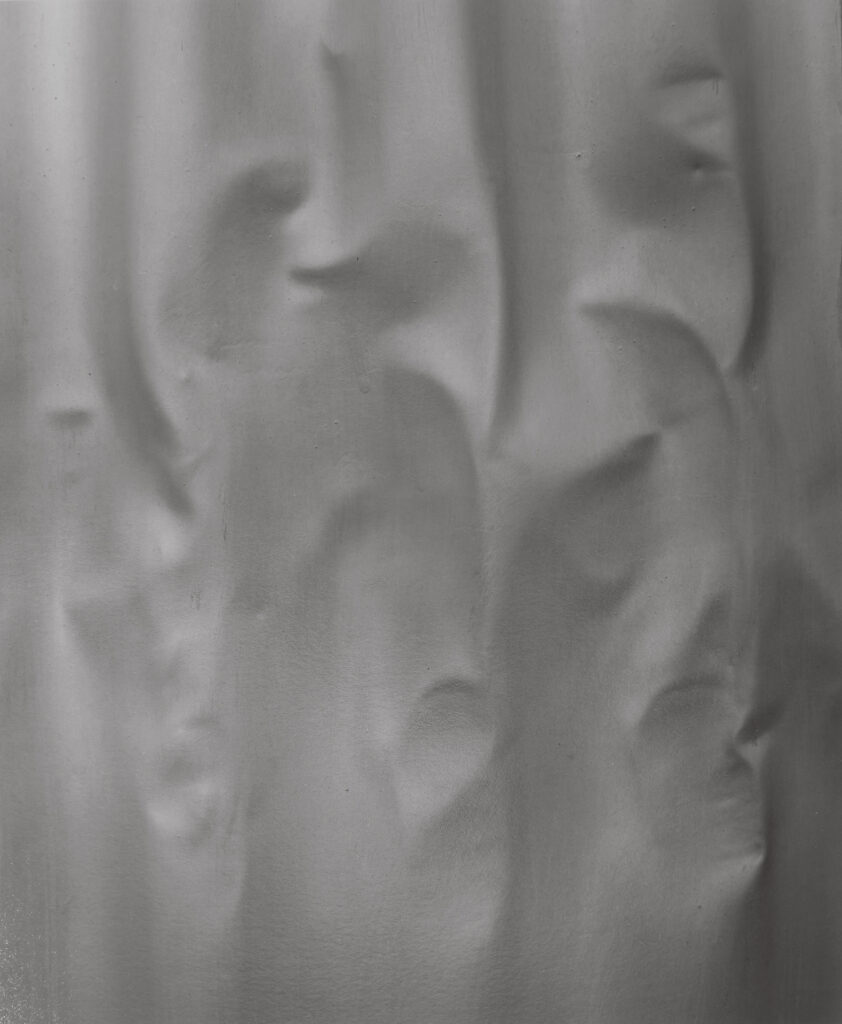
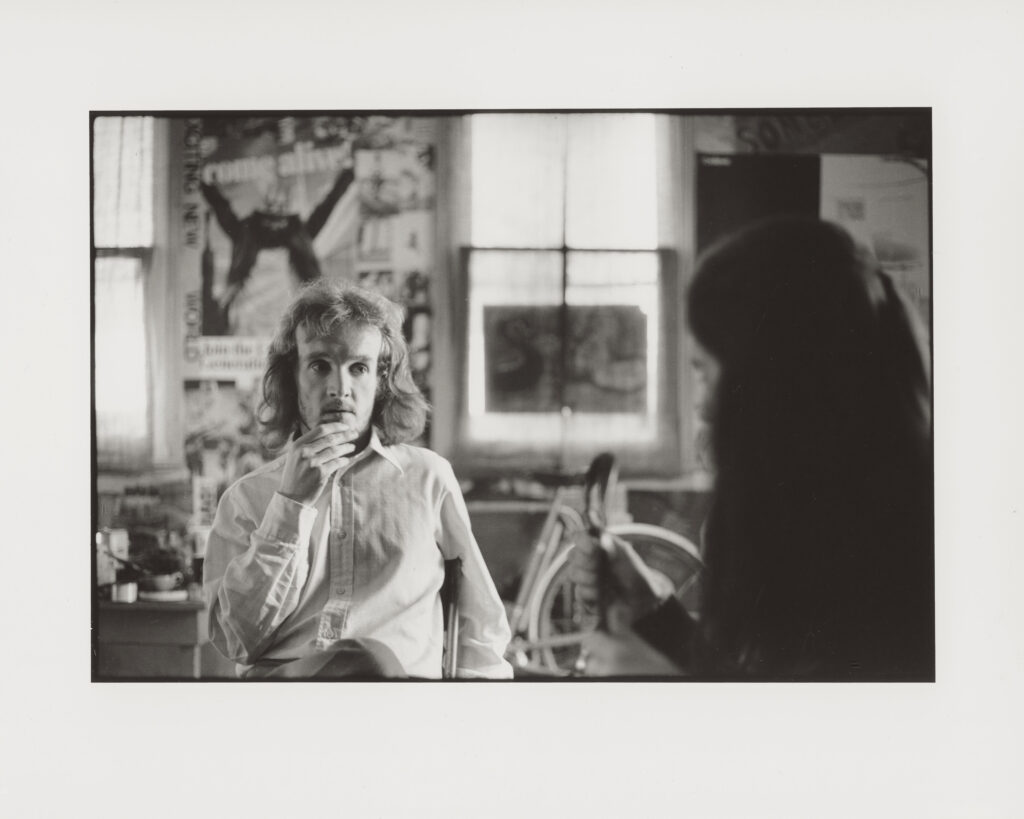
Ian Lobb’s photographs in the Museum of Australian Photography can be seen here.
Next Post: An Omeo Weekend


